The history of Idöborg in the Stockholm archipelago
An island steeped in history, from 1909 to the present day
An island steeped in history, from 1909 to the present day
An island steeped in history, from 1909 to the present day
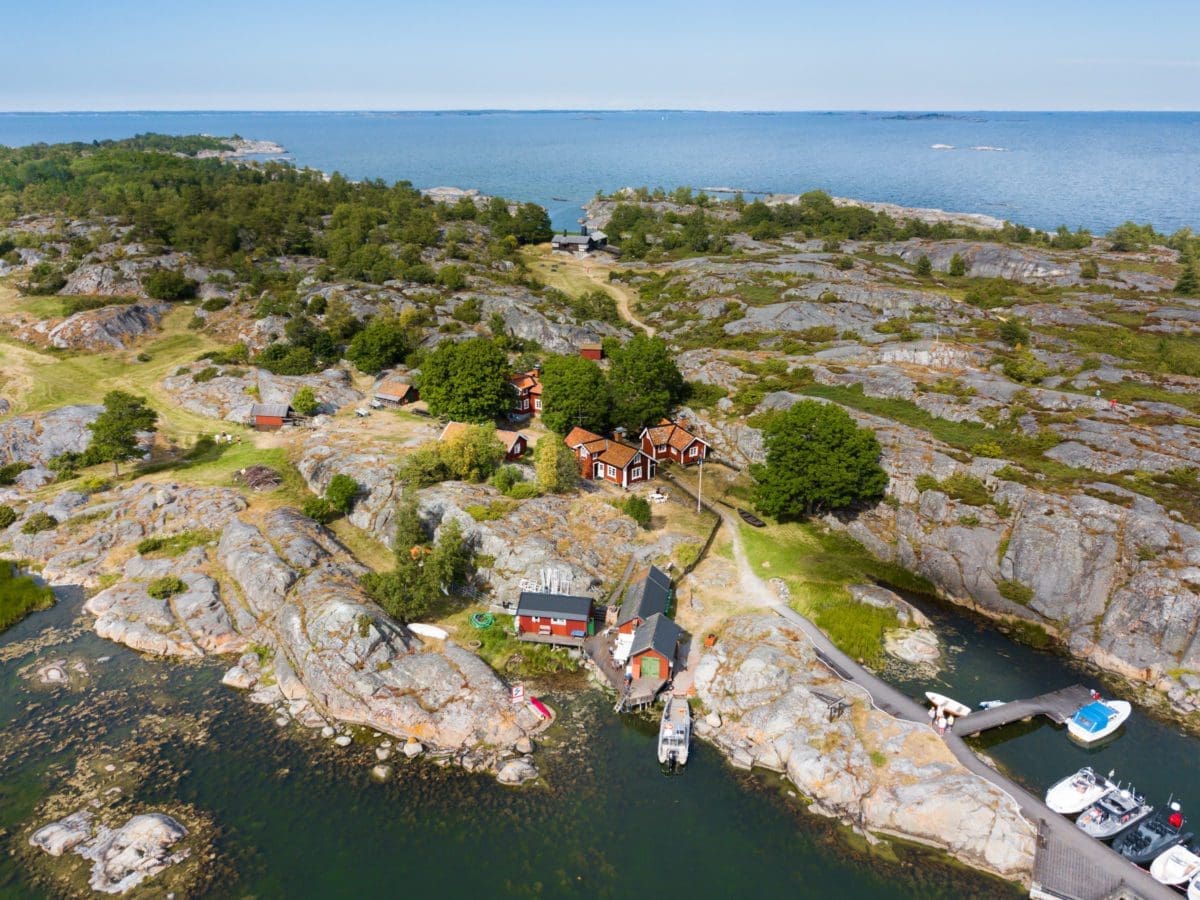
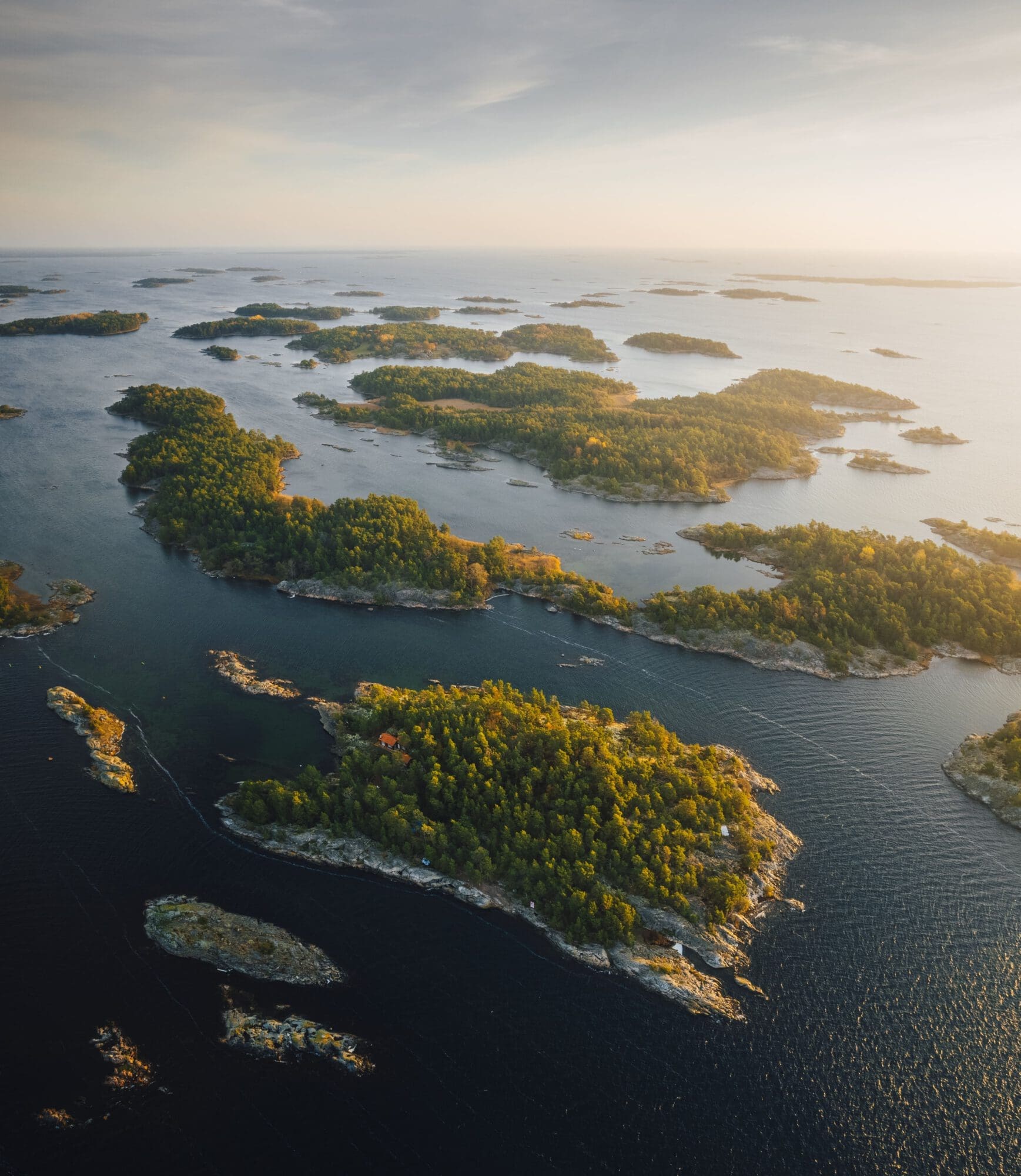
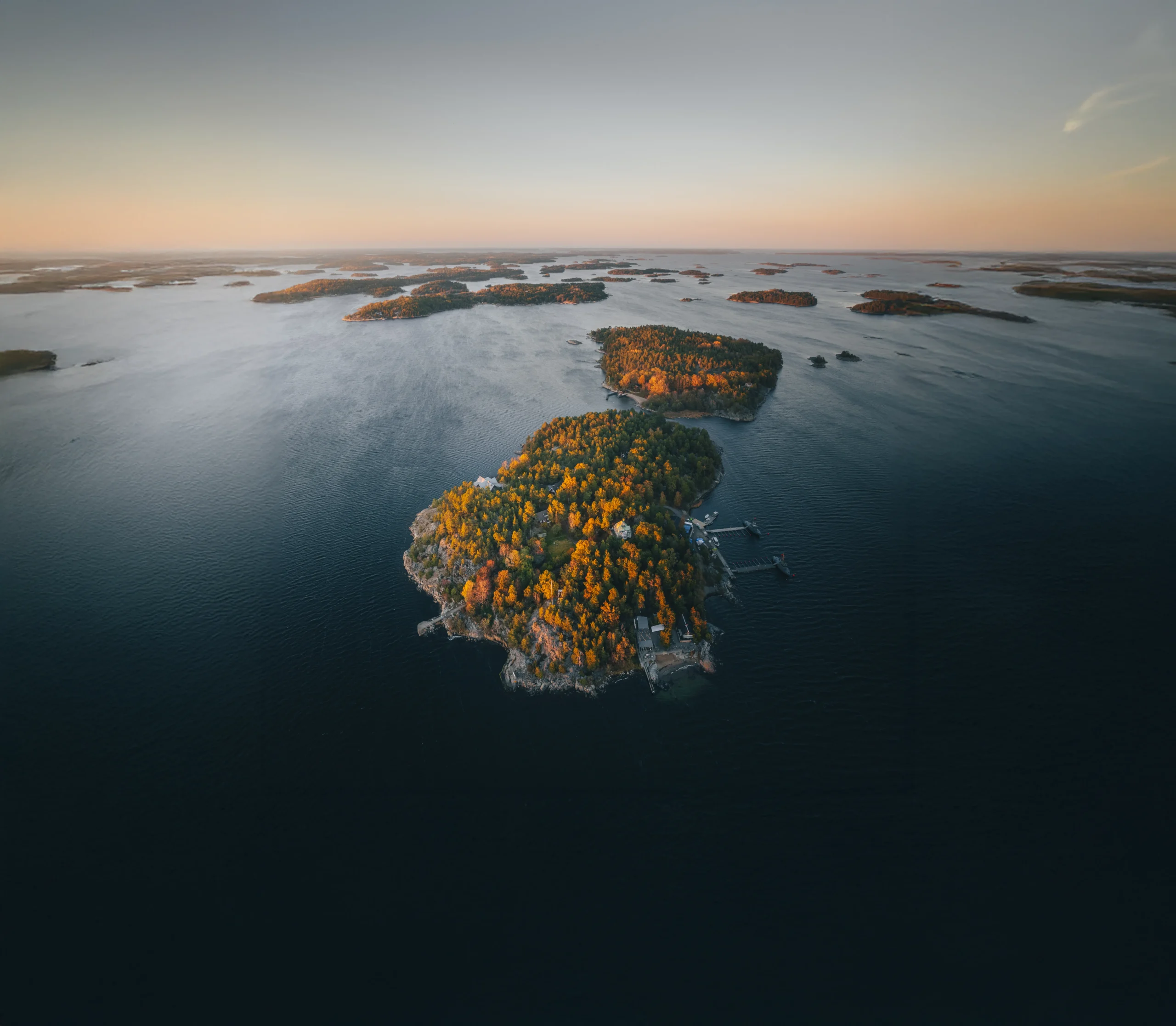
Idöborg has a rich and multifaceted history. From Gustav Potts' grand Jugendvilla and network of bridges across the archipelago, via Torsten Kreuger's islands and Sten's shipbuilding era, to Annette's vision of a course and conference center and her son Villiam's ventures into weddings, yoga, and Strandbaren.
Here, generations of dreams and hard work have woven together to create the vibrant meeting place that Idöborg is today.
1909–1914
The Jugendvilla is built and the islands are connected by wooden bridges.
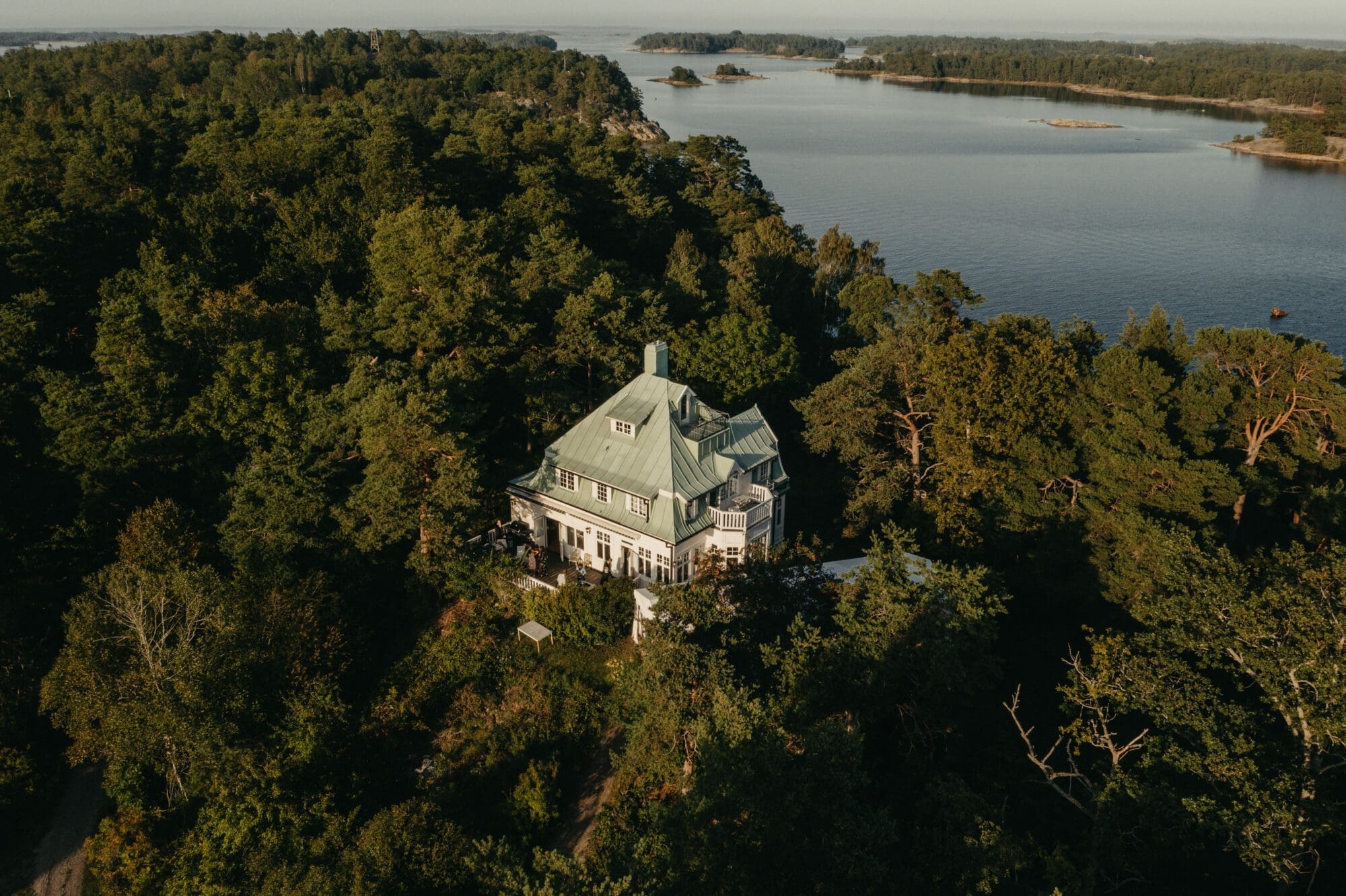
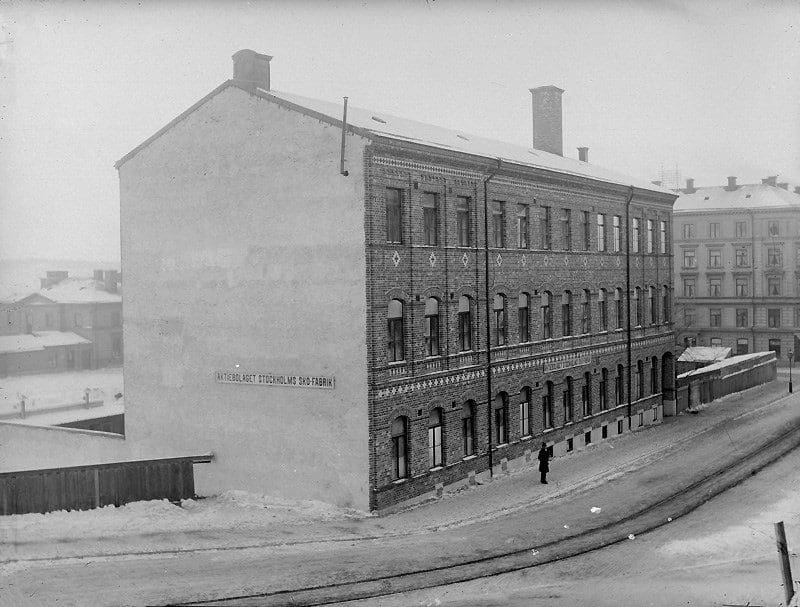
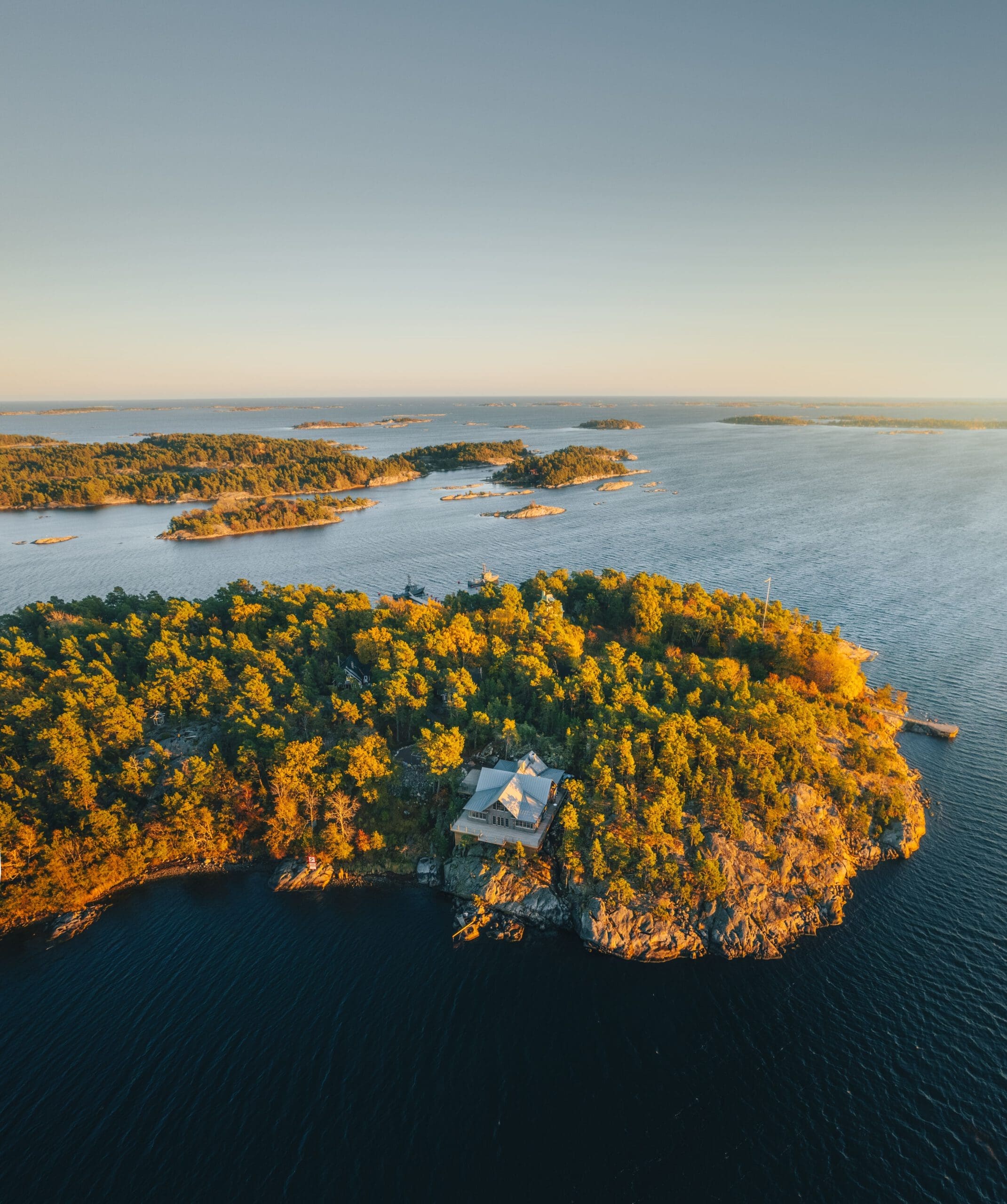
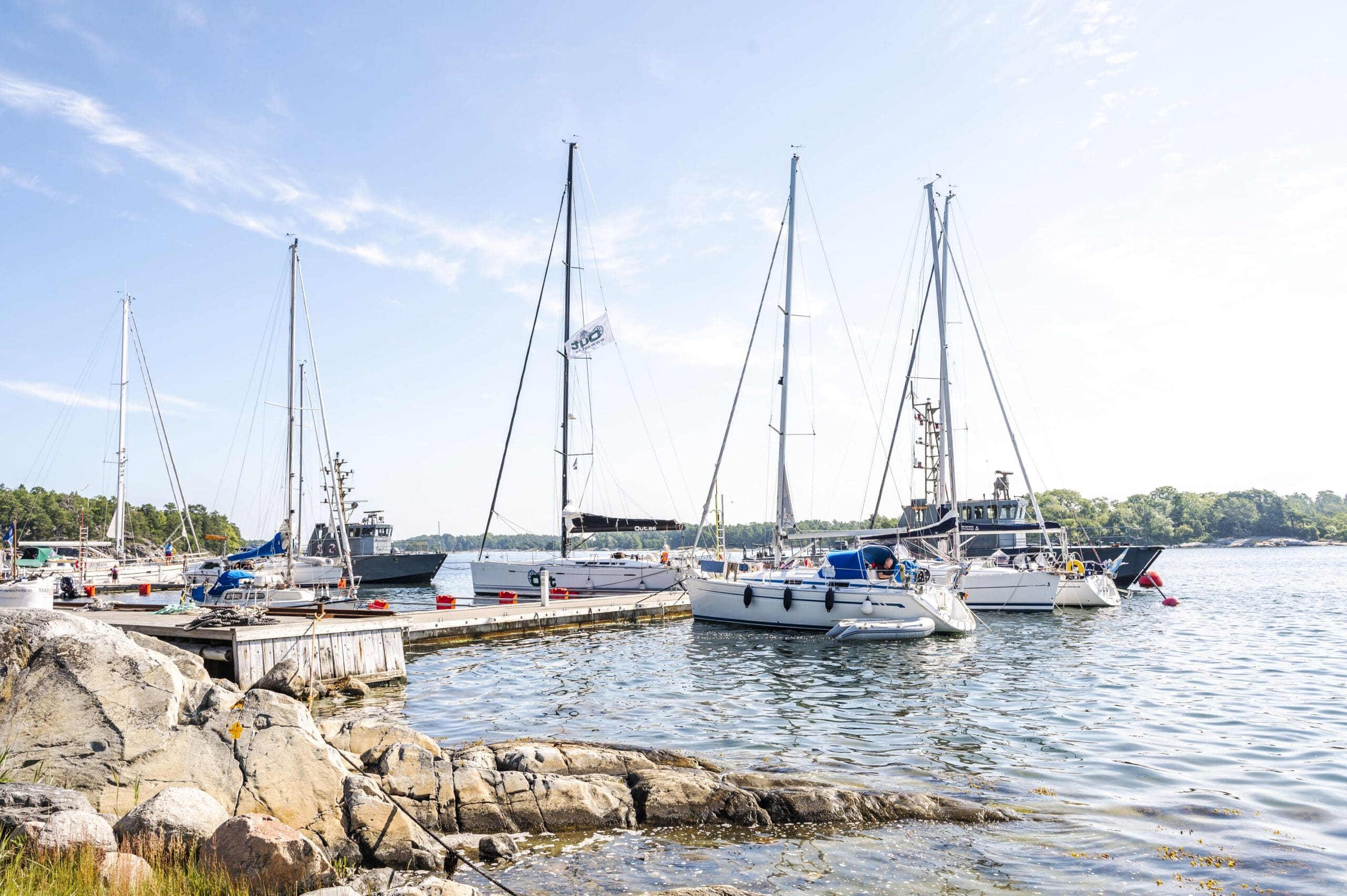
The first thing you see when you arrive at Idöborg is the large white Jugend villa located at the highest point on the island. The house, with its impressive green roof, was built in 1909 by Gustav Pott, who owned Stockholms Skofabrik (Stockholm Shoe Factory) and a large part of the islands in the area. Pott was very interested in seabird hunting, and between 1910 and 1914 he had a network of wooden bridges built between Idöborg, Idö, Lilla Kovilan, Stora Kovilan, Långskär, Rågskärs Kalvholme, Rågskärs Grund, Rågskärs Västra Udde, Rågskär, and Lilla Finnholmen so that he could quickly travel between the islands. The bridges have long since been demolished, but the bridge foundations can still be seen in several places today.
1920–1967
Kreuger buys Idöborg and many other islands, Bullerö Nature Reserve is established
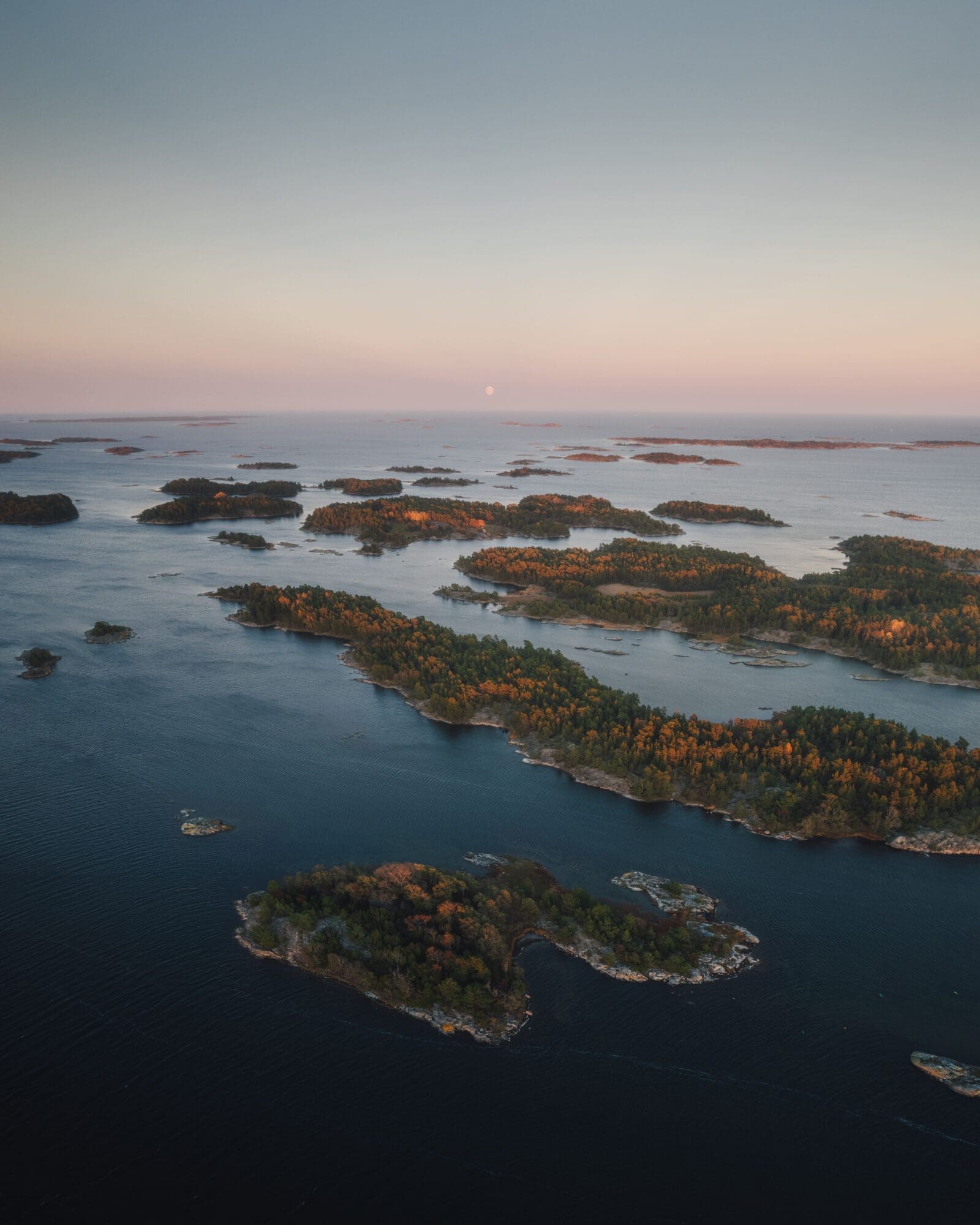
During the 1920s and 30s, Idöborg and many other islands in the region were purchased by Torsten Kreuger, including Bullerö, where Bruno Liljefors had his studio. Torsten loved the archipelago – sailing, interacting with the fishermen, and the rich wildlife on and around the islands.
In 1967, he sold the Bullerö area, with the exception of three islands, to the then Domänverket (the Swedish Forest Agency). His eldest son Björn, who was interested in birds, was allowed to keep Lilla Alskär, his middle son Sten took over Idöborg, and his youngest son John got Harö. The sale of approximately 4,300 hectares of archipelago was conditional on the area not being exploited. This condition was fulfilled, and in the same year the Bullerö Reserve was established – a very bird-rich and well-visited area near Idöborg, which later became the basis for the Nämdö Archipelago National Park, inaugurated in September 2025.
1976–1985
Sten builds boats in steel and aluminum, new buildings are added
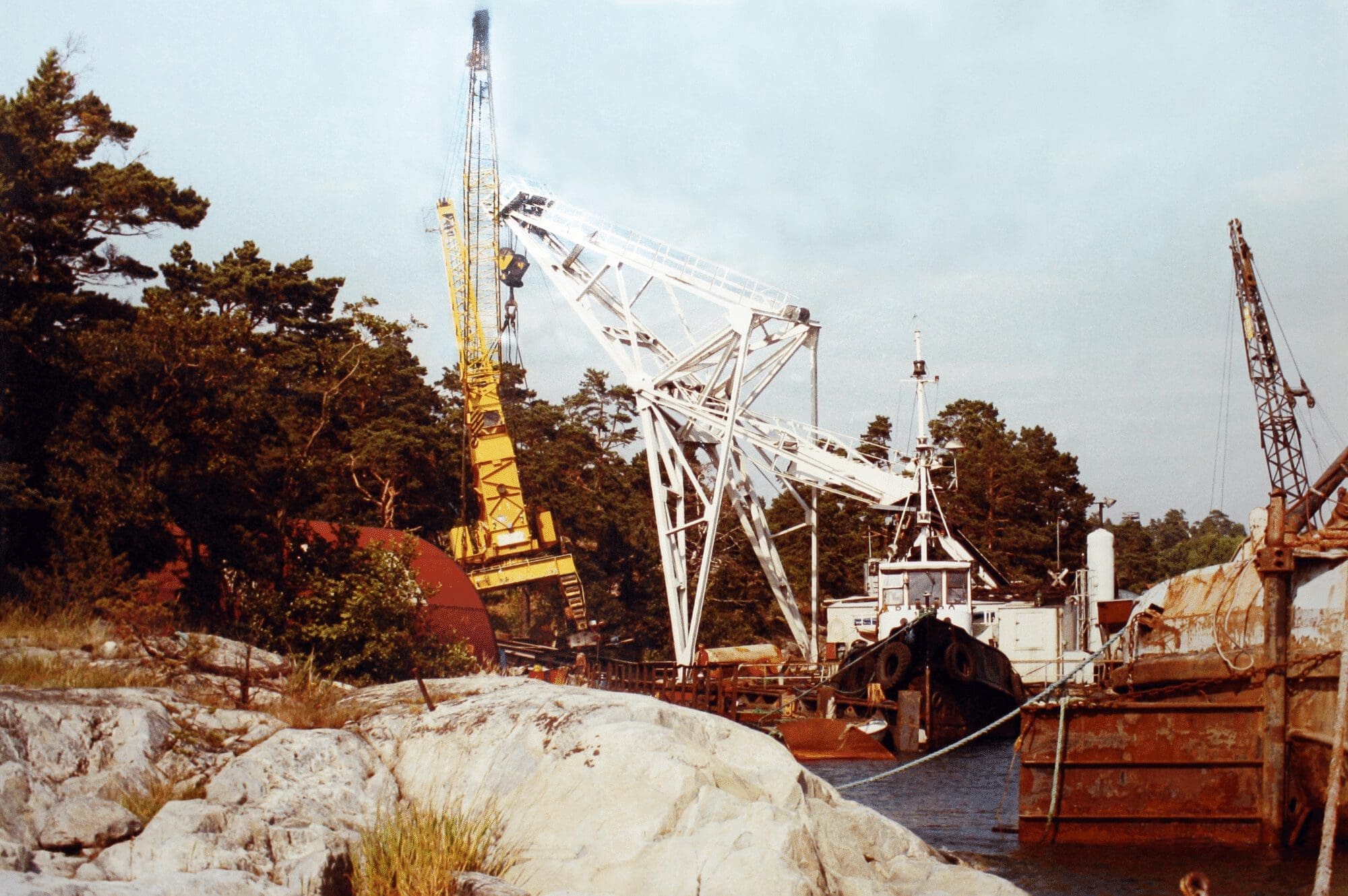
Sten and Annette married in 1976. They had two children, Otto and Emma. Like his father Torsten and his uncle Ivar, Sten was interested in boats and therefore started building boats at Idöborg, initially in plastic, which he soon abandoned as it was too hazardous to health. He switched to building boats in steel and aluminum. Among other things, he built flat ferries, fishing and taxi boats, and a larger vessel for marine research on the west coast.
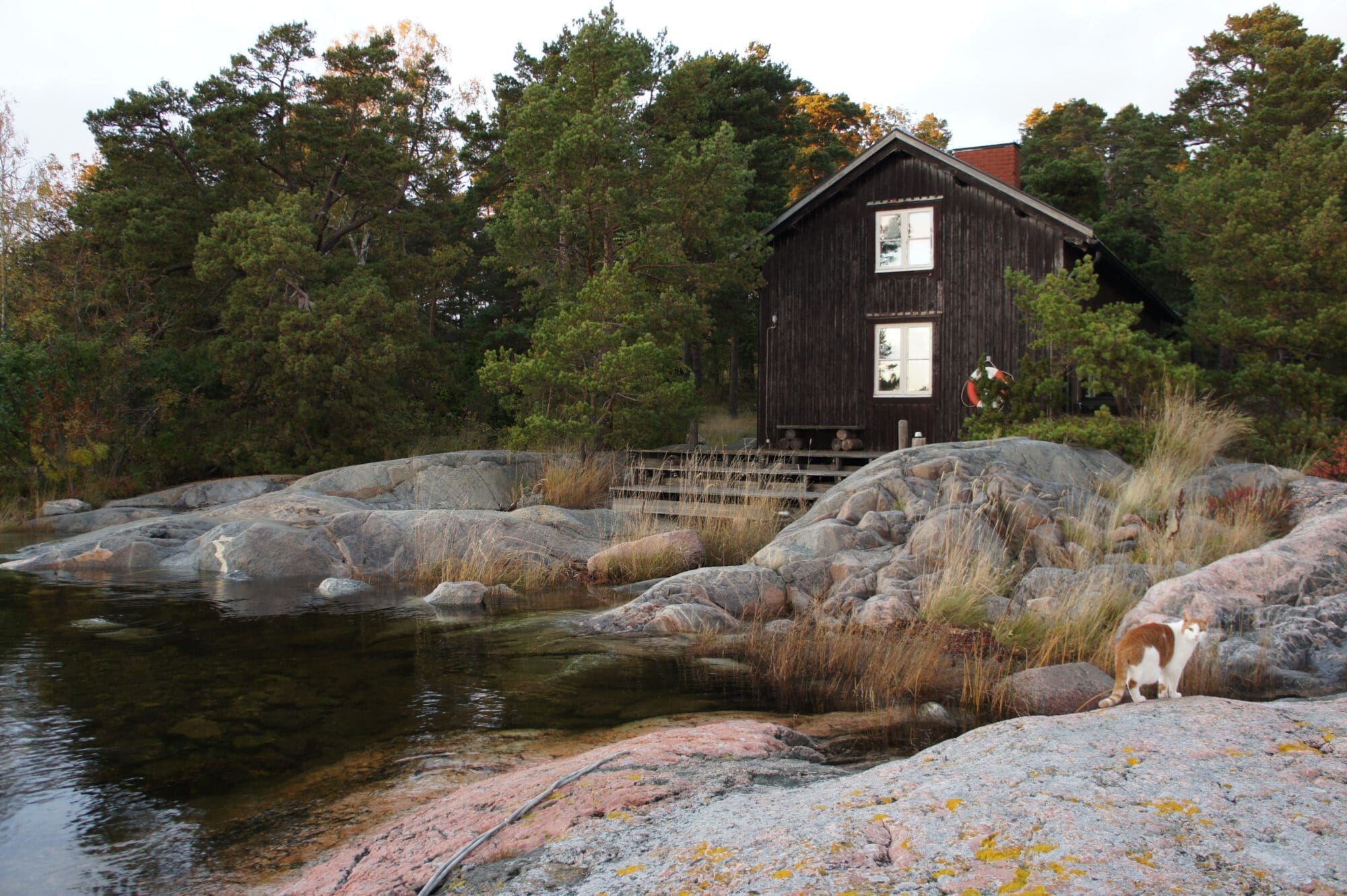
During the shipyard period, Ängsvillan, Solnedgången, Förstugan the storage building were constructed.
In 1985, Sten decided to move his business to the mainland and sell the island. This opened up the opportunity for Annette, who was now separated from Sten, to buy the island she had loved since she first set foot on it.
1985–2012
Idöborg Becomes a Training and Conference Center with a Sauna, Dojo, and Retreats
From the outset, Annette's plan was to start a course and conference center on Idöborg and revive the beauty that existed in the beautiful archipelago nature.
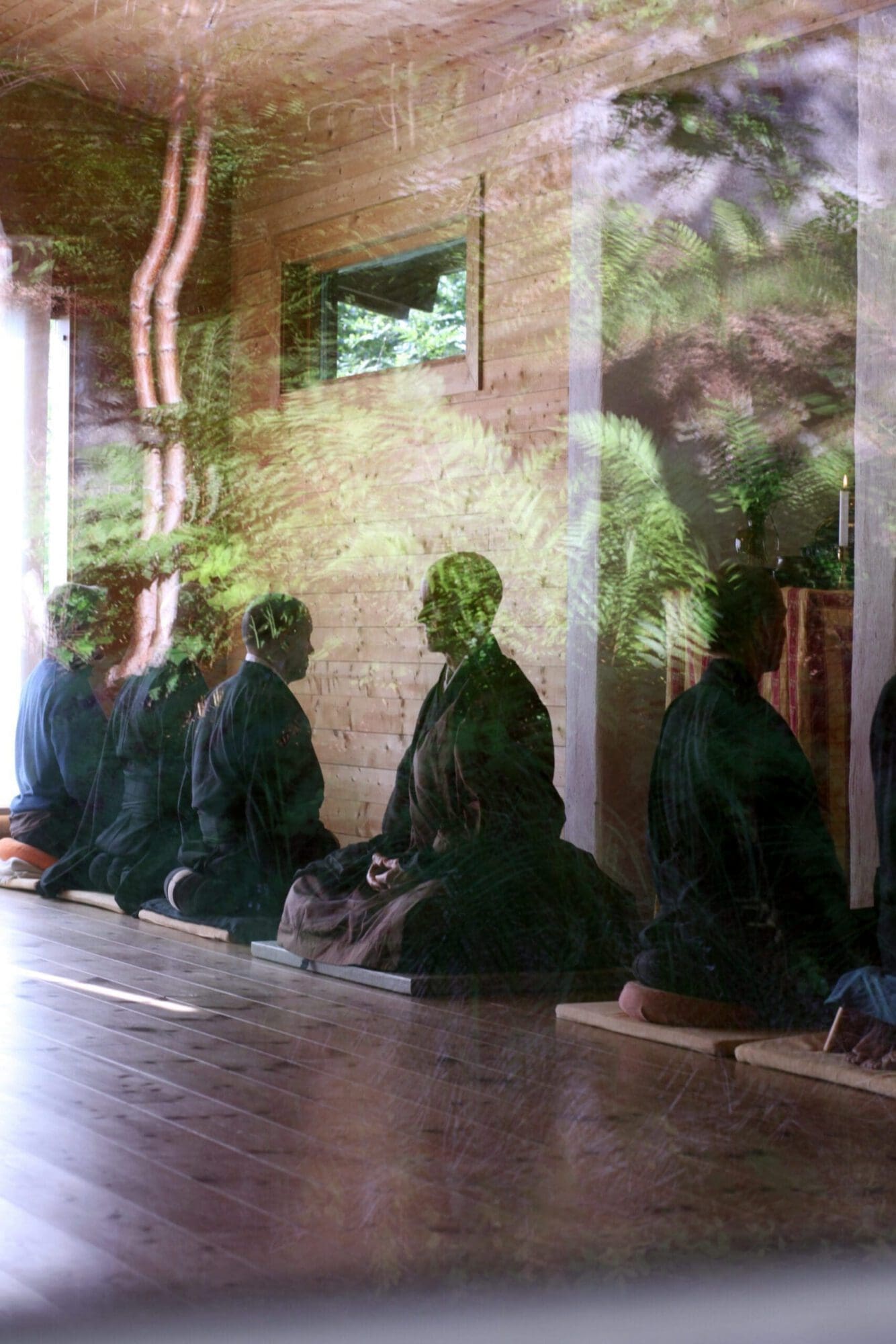
During Annette's time as hostess and manager of the business, a much-appreciated sauna building was constructed using old timber, with a wood-fired sauna, a cozy lounge with an open fireplace, and wall-mounted benches with sheepskin rugs. A freestanding building called Dojon entirely of wood, with one gable made of glass facing the sunrise in the east. The atmospheric ambience of Dojon been appreciated by both retreat and conference guests.
Annette has been a Buddhist since the late 1980s and has also been teaching Tibetan Buddhism since 2006. Today, the island is regularly visited by several well-established yoga teachers who bring their students here to enjoy everything Idöborg has to offer.
2012-present
Renovations, investments in cottage rentals, weddings, and restaurants
In 2012, Annette retired and her son Villiam took over the business. He continued to welcome yoga retreats and other spiritual groups, while also taking on more long-term development work. Cottages and rooms were renovated, and building permits were obtained for a new sauna facility.
In 2016, a major investment was made in cottage rentals, which quickly became very popular thanks to their cozy surroundings and high standard. Two years later, in 2018, work began on developing Idöborg as a wedding destination—and by the following summer, the season was already fully booked.
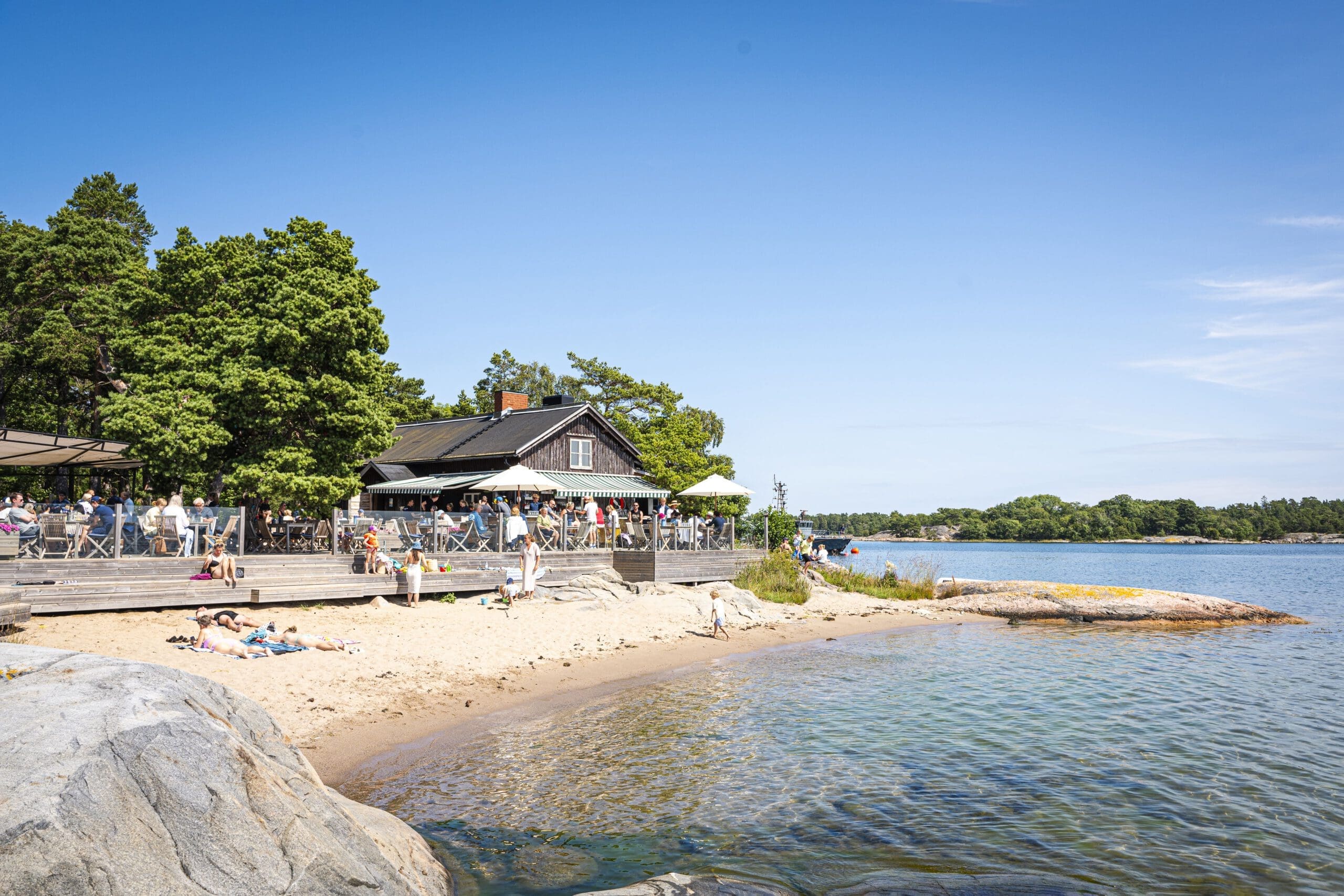
In the winter of 2019/2020, the new sauna facility was built, while the old sauna was converted into a kitchen and dining room. In June 2020, the Strandbaren restaurant opened Strandbaren quickly became a natural gathering place on the island.
By the 2025 season, the latest and largest project to date was completed – Ögonblicket.
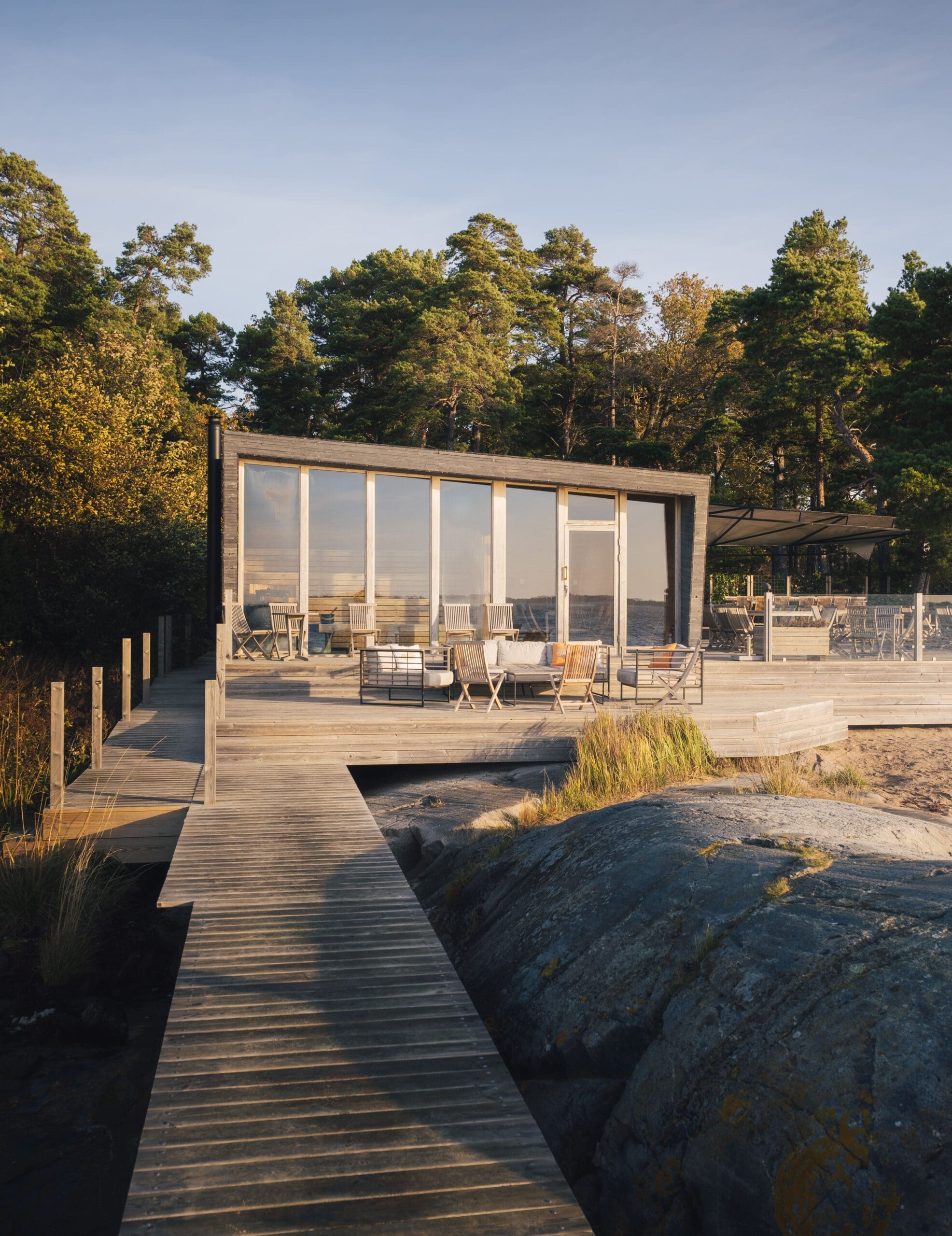
Ögonblicket Idöborg's new event venue, designed for weddings and parties.
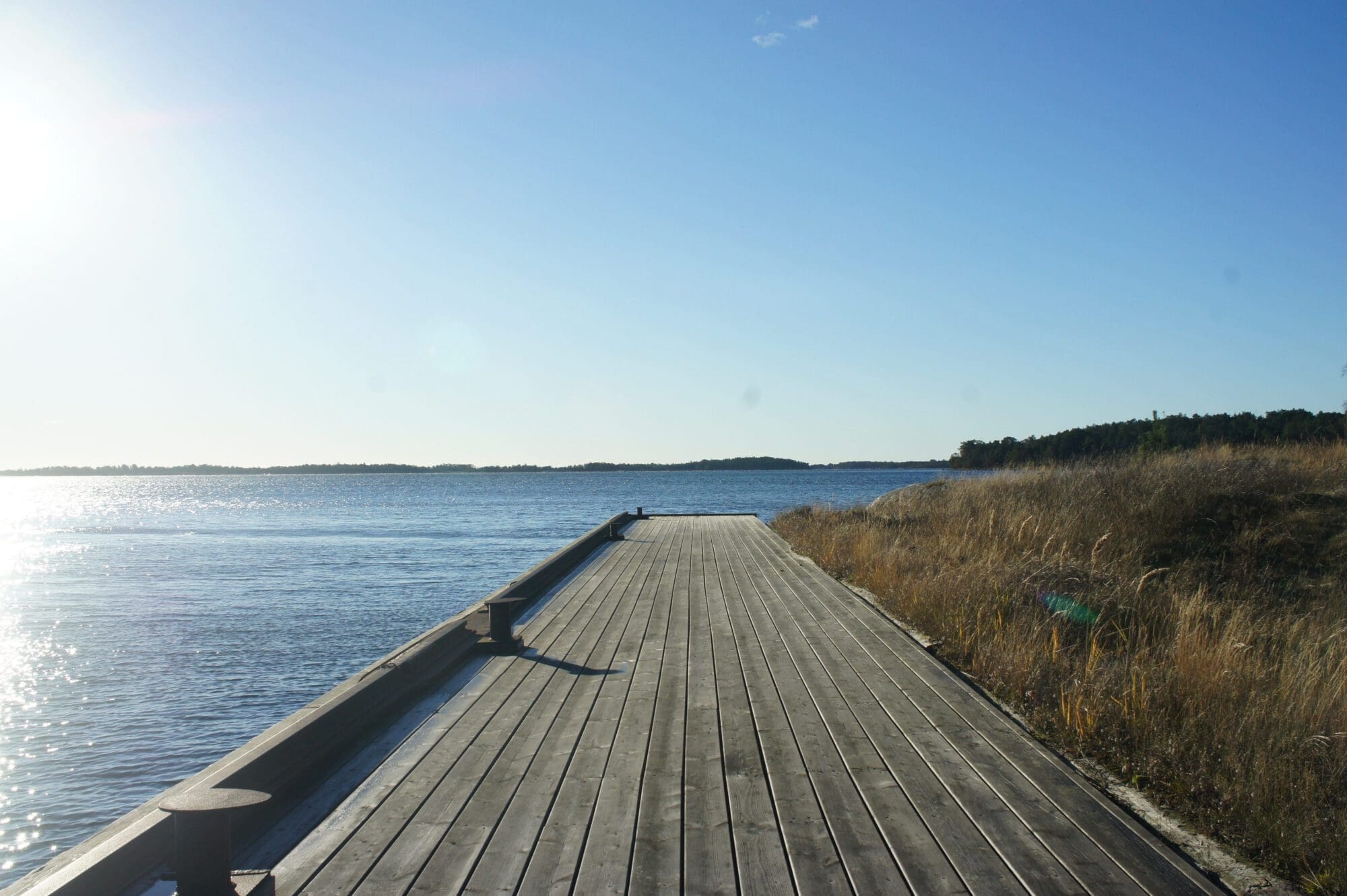
With space for up to 180 guests, a large wooden deck facing the sea, and modern sound and lighting technology, the venue offers the perfect setting for many memorable moments.